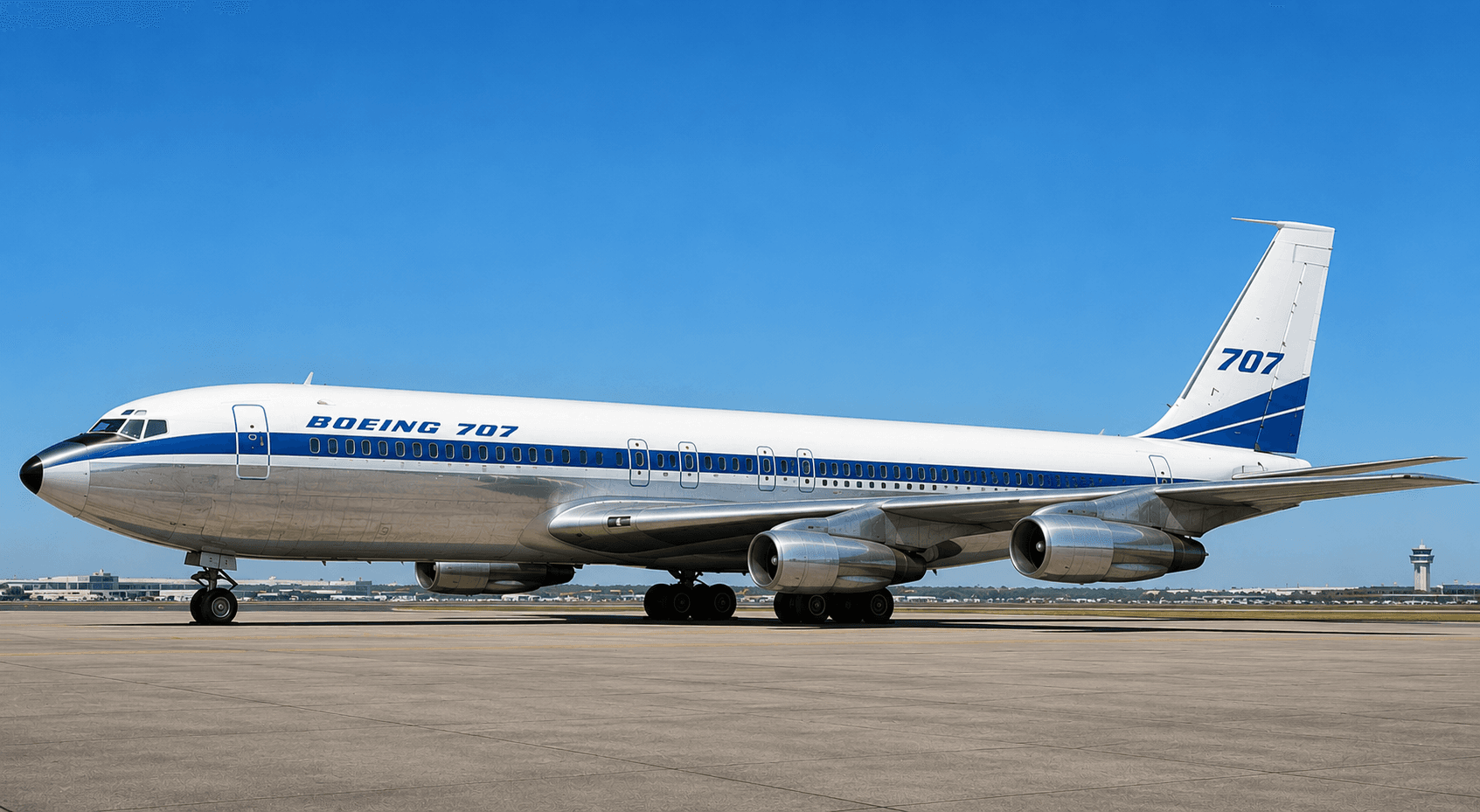
Boeing 737 Next Generation – The World's Most Successful Narrow-Body Airliner
Discover the Boeing 737 Next Generation family featuring the 737-600, 737-700, 737-800 and 737-900, combining improved aerodynamics, advanced avionics and exceptional operating economics.
- First flight
- 9 February 1997 (737-700)
- Introduced
- December 1997 (Southwest Airlines)
- Number built
- 6,988
- Range
- 5,765 km (3,115 nautical miles)

Introduction
Overview
The Boeing 737 Next Generation (NG) represents the third generation of the Boeing 737 family and consists of the Boeing 737-600, 737-700, 737-800 and 737-900 variants. Developed to compete directly with the Airbus A320 family, the NG introduced a completely redesigned wing, improved CFM56-7B engines, a modern digital flight deck and significantly increased range.
Compared with the Boeing 737 Classic, the Next Generation family features larger wings, increased fuel capacity, higher maximum takeoff weights, improved aerodynamics and an upgraded passenger cabin. These enhancements allowed airlines to operate longer routes while reducing fuel consumption and operating costs.
The Boeing 737-800 became the most successful member of the family and one of the best-selling commercial aircraft ever built. Airlines worldwide selected the NG because of its outstanding dispatch reliability, operational flexibility and fleet commonality with earlier Boeing 737 models.
The Boeing 737 NG established new standards for short- and medium-haul operations and became the backbone of numerous airline fleets before being succeeded by the Boeing 737 MAX.
At a glance
- Type
- Narrow-body Twin-Engine Jet Airliner
- Role
- Short-to-Medium Range Passenger Airliner
- Programme status
- In Active Service
- Production
- 1996–2020
Primary operators
History
During the early 1990s, Boeing recognized that the Airbus A320 family offered advanced technology and improved efficiency compared with the Boeing 737 Classic. To remain competitive, Boeing launched the Boeing 737 Next Generation programme.
Rather than simply upgrading the Classic series, engineers redesigned major portions of the aircraft. A completely new wing increased span by approximately five metres, improved fuel capacity and enhanced aerodynamic efficiency. More powerful CFM56-7B engines, advanced avionics and a redesigned passenger cabin further improved operating economics.
The Boeing 737-700 completed its maiden flight in February 1997 and entered commercial service with Southwest Airlines later that year. The highly successful Boeing 737-800 followed in 1998 and quickly became the preferred aircraft for airlines seeking an economical narrow-body airliner capable of operating both domestic and medium-haul international routes.
Over two decades of production, the Boeing 737 NG became one of the most successful commercial aircraft families in aviation history.
Development
The Boeing 737 NG programme represented the most extensive redesign of the Boeing 737 since the aircraft's original introduction in the 1960s. Approximately one-third of the airframe was redesigned to improve performance, efficiency and passenger comfort.
The redesigned wing increased fuel capacity by approximately 30 percent while reducing aerodynamic drag. More powerful CFM56-7B engines delivered greater thrust with lower fuel consumption and emissions.
The cockpit introduced six large LCD displays, improved flight management systems and enhanced digital avionics, reducing pilot workload while improving situational awareness.
Structural improvements enabled higher operating weights and longer design life, making the aircraft suitable for intensive airline operations. These developments ultimately positioned the Boeing 737 NG as one of the world's most versatile commercial aircraft families.
Milestones
Programme Timeline
First flight
9 February 1997 (737-700)
Entered service
December 1997 (Southwest Airlines)
Production
1996–2020
Retirement
Active Worldwide
Current status
In widespread passenger, cargo, government and military service
Aircraft Design
The Boeing 737 Next Generation incorporates a significantly redesigned airframe compared with the Boeing 737 Classic. The larger wing, improved aerodynamics and strengthened structure provide increased range, higher payload capability and improved fuel efficiency while retaining the proven Boeing 737 fuselage architecture.
The redesigned wing features a greater span and increased wing area, providing improved lift-to-drag characteristics. Blended Winglets became available as an option and later became a defining visual feature of many Boeing 737 NG aircraft, reducing induced drag and improving fuel efficiency by up to 5 percent on longer sectors.
The aircraft retains the low-wing configuration and underwing engine installation, while structural improvements allow increased maximum takeoff weights and longer operational life.
Designed for high-cycle airline operations, the Boeing 737 NG combines aerodynamic efficiency with exceptional structural durability.
Cockpit
The Boeing 737 NG introduced a fully modernized glass cockpit equipped with six large liquid crystal displays replacing most conventional electromechanical instruments.
Primary cockpit equipment includes:
- Six LCD Flight Displays
- Dual Flight Management Computers
- Digital Autopilot
- Flight Director
- Weather Radar
- Electronic Checklists
- TCAS II
- EGPWS
- GPS Navigation
- VHF Communication
- SATCOM (operator dependent)
The flight deck maintains strong commonality with earlier Boeing 737 generations while providing greatly improved automation and situational awareness.
Pilots transitioning from the Boeing 737 Classic require minimal additional training due to Boeing's philosophy of maintaining cockpit commonality.
Cabin
The Boeing 737 NG cabin introduced numerous passenger comfort improvements including redesigned sidewalls, larger overhead storage bins, quieter environmental systems and improved cabin lighting.
Depending on the variant, the aircraft accommodates approximately 108 to 215 passengers.
Features include:
- Six-abreast seating
- Larger overhead bins
- Modern LED lighting (retrofit available)
- Improved noise insulation
- Flexible business and economy layouts
- Pressurized air-conditioned cabin
- Enhanced passenger service units
Many operators have upgraded the aircraft with the Boeing Sky Interior, providing sculpted sidewalls, LED lighting and pivot-style overhead bins.
Engines
The Boeing 737 NG is powered by two CFM International CFM56-7B high-bypass turbofan engines. These engines provide improved thrust, lower fuel consumption and significantly reduced emissions compared with the CFM56-3 engines used on the Boeing 737 Classic.
Depending on the variant, thrust ranges from approximately 20,600 to 27,300 pounds.
Major advantages include:
- Excellent fuel efficiency
- High reliability
- Reduced emissions
- Lower maintenance costs
- FADEC engine control
- Excellent dispatch reliability
- Worldwide support network
The CFM56-7B became one of the most successful commercial turbofan engines ever developed.
Flight Controls
The Boeing 737 NG retains conventional mechanically actuated flight controls with hydraulic power assistance while incorporating improved digital flight control computers and enhanced autopilot capabilities.
Primary controls:
- Ailerons
- Elevators
- Rudder
Secondary controls:
- Leading-edge slats
- Double-slotted flaps
- Flight spoilers
- Ground spoilers
- Speed brakes
- Elevator trim
- Rudder trim
- Aileron trim
These systems provide predictable handling qualities while maintaining commonality across the Boeing 737 family.
Avionics
The Boeing 737 NG features the Honeywell integrated digital avionics suite with six LCD displays, advanced flight management systems and comprehensive aircraft monitoring.
Typical avionics include:
- Honeywell Flight Management System
- Electronic Flight Instrument System
- LCD Primary Flight Displays
- Navigation Displays
- TCAS II
- Enhanced GPWS
- Weather Radar
- GPS Navigation
- Radio Altimeter
- Digital Autopilot
- Cockpit Voice Recorder
- Flight Data Recorder
These systems significantly improve operational efficiency and safety.
Landing Gear
The Boeing 737 NG employs a hydraulically operated retractable tricycle landing gear designed for increased aircraft weights and intensive airline operations.
The strengthened landing gear supports higher maximum takeoff weights while maintaining the Boeing 737's characteristic low ground stance.
Features include:
- Twin-wheel nose gear
- Dual-wheel main landing gear
- Carbon brakes
- Anti-skid system
- Hydraulic steering
- Oleo-pneumatic shock absorbers
Performance
The Boeing 737 NG offers significantly improved performance compared with the Boeing 737 Classic.
Typical performance:
- Cruise Speed: 842 km/h (Mach 0.785)
- Maximum Speed: Mach 0.82
- Range: Up to approximately 6,480 km depending on variant
- Service Ceiling: 41,000 ft
The redesigned wing and improved engines allow longer routes, increased payload and lower fuel consumption.
Maintenance
The Boeing 737 NG incorporates advanced diagnostics, modular systems and improved maintenance accessibility. Airlines benefit from reduced downtime, extended inspection intervals and one of the highest dispatch reliability rates in commercial aviation.
Routine maintenance includes:
- Transit inspections
- A Checks
- C Checks
- Structural inspections
- Engine borescope inspections
- Avionics diagnostics
- Hydraulic servicing
- Brake monitoring
- Corrosion inspections
Safety
The Boeing 737 NG incorporates numerous safety enhancements including:
- TCAS II
- Enhanced GPWS
- Digital Flight Management
- Dual hydraulic systems
- Dual electrical systems
- Engine fire suppression
- Cargo fire protection
- Weather radar
- Emergency oxygen
- Ice protection
- Cockpit Voice Recorder
- Flight Data Recorder
The Boeing 737 NG has accumulated tens of millions of flight hours worldwide and remains one of the safest and most reliable narrow-body aircraft families ever produced.
Reference
Technical Specifications
Full dimensional, weight, powerplant and performance data.
Crew & capacity
- Crew
- 2 (Captain and First Officer) + Cabin Crew
- Passengers
- 162–189 passengers depending on airline configuration
Dimensions
- Length
- 39.47 m (129 ft 6 in)
- Wingspan
- 35.79 m (117 ft 5 in) with blended winglets
- Height
- 12.57 m (41 ft 3 in)
- Fuselage width
- 3.76 m (12 ft 4 in)
- Cabin width
- 3.54 m (11 ft 7 in)
- Wheelbase
- 17.17 m (56 ft 4 in)
Weights
- Empty weight
- Approximately 41,400 kg (91,300 lb)
- Operating weight
- Approximately 45,100 kg (99,400 lb)
- Max takeoff weight
- 79,015 kg (174,200 lb)
- Max landing weight
- 66,360 kg (146,300 lb)
- Max payload
- 20,865 kg (46,000 lb)
- Fuel capacity
- 26,020 L (6,875 US gal)
Powerplant
- Engines
- 2 × CFM International CFM56-7B High-Bypass Turbofan
- Engine manufacturer
- CFM International
- Engine model
- CFM56-7B26 / CFM56-7B27
- Thrust
- 24,200–27,300 lbf (108–121 kN) each
Performance
- Maximum speed
- 876 km/h (Mach 0.82)
- Cruise speed
- 842 km/h (Mach 0.785)
- Stall speed
- Approximately 205 km/h (111 knots)
- Range
- 5,765 km (3,115 nautical miles)
- Service ceiling
- 41,000 ft (12,500 m)
- Rate of climb
- Approximately 2,900 ft/min (884 m/min)
- Takeoff distance
- Approximately 2,200 m (7,220 ft)
- Landing distance
- Approximately 1,600 m (5,250 ft)
Fuel & operating limits
- Fuel consumption
- Approximately 2,400–2,700 L/hour depending on payload and flight profile
- Endurance
- Up to 7 hours
- Maximum altitude
- 41,000 ft
- Max operating Mach
- Mach 0.82
- Runway requirement
- Typically 2,000–2,500 m depending on aircraft weight and environmental conditions
Programme
- First flight
- 9 February 1997
- Introduction
- December 1997 (Southwest Airlines)
- Production years
- 1996–2020
- Number built
- 6,988
- Unit cost
- Approximately US$102 million (737-800 list price)
Variants
Boeing 737-600
The smallest member of the Next Generation family. Designed as the replacement for the Boeing 737-500, offering improved range, modern avionics and lower operating costs.
Boeing 737-700
A direct replacement for the Boeing 737-300. It combines excellent range with low operating costs and became a popular aircraft for domestic and regional routes.
Boeing 737-700ER
Extended Range version featuring increased fuel capacity and higher maximum takeoff weight for longer international routes.
Boeing 737-800
The most successful Boeing 737 NG variant and one of the best-selling commercial aircraft in aviation history. It replaced the Boeing 737-400 and is widely used by full-service and low-cost airlines.
Boeing 737-900
A stretched version of the Boeing 737-800 providing increased seating capacity while maintaining fleet commonality.
Boeing 737-900ER
Enhanced Range version incorporating additional exit doors, increased fuel capacity and higher maximum takeoff weight, allowing longer routes and higher passenger capacity.
Boeing Business Jet (BBJ)
Corporate and government VIP aircraft based on the Boeing 737 NG platform with extended range and luxury interior configurations.
Boeing P-8 Poseidon
Military maritime patrol and anti-submarine warfare aircraft derived from the Boeing 737-800ERX platform and operated by several air forces and navies worldwide.
Major Operators
- Southwest Airlines
- Ryanair
- American Airlines
- United Airlines
- Alaska Airlines
- Turkish Airlines
- KLM
- Qantas
- Air China
- China Southern Airlines
- FlyDubai
- WestJet
- Gol Linhas Aéreas
- Norwegian Air Shuttle
- TUI Airways
Advantages & Limitations
Advantages
- Excellent fuel efficiency compared with earlier Boeing 737 generations.
- Outstanding dispatch reliability exceeding 99%.
- Modern glass cockpit with advanced digital avionics.
- Longer range enabling medium-haul international operations.
- Large worldwide operator base ensuring strong maintenance support.
- Excellent commonality across all Boeing 737 NG variants.
- Highly reliable CFM56-7B engines.
- Lower operating costs than many competing aircraft.
- Blended Winglets significantly improve aerodynamic efficiency.
- Foundation for several military and business aircraft variants.
Limitations
- Cabin cross-section narrower than the Airbus A320 family.
- Limited cargo volume compared with larger narrow-body aircraft.
- Lower passenger comfort than newer Boeing 737 MAX Sky Interior aircraft.
- Mechanical flight controls rather than full fly-by-wire.
- Limited future production due to replacement by the Boeing 737 MAX.
- Aging NG fleets require increasing maintenance investment.
- Higher fuel consumption than the latest A320neo and 737 MAX families.
- Lower ground clearance limits future engine growth.
- Some older aircraft require avionics modernization.
- Longer variants have reduced rotation angle during takeoff.
Interesting Facts
- The Boeing 737-800 became one of the best-selling commercial aircraft ever built.
- Nearly 7,000 Boeing 737 NG aircraft were produced.
- The Boeing P-8 Poseidon military aircraft is based on the Boeing 737 NG platform.
- Many Boeing Business Jets (BBJ) are derived from the Boeing 737 NG.
- Blended Winglets reduce fuel burn by up to five percent.
- The redesigned wing is approximately 25% larger than that of the Boeing 737 Classic.
- The Boeing 737 NG introduced a completely digital glass cockpit.
- Ryanair became one of the world's largest Boeing 737-800 operators.
- Southwest Airlines was the launch customer for the Boeing 737-700.
- The Boeing 737 NG remains one of the world's most commonly flown commercial aircraft.
- The family accumulated hundreds of millions of flight hours.
- Many Boeing 737 NG aircraft are now being converted into dedicated freighters.
- The Boeing 737 NG served as the basis for the Boeing 737 MAX.
- The aircraft is certified for ETOPS operations on selected routes.
- The Boeing 737 NG is operated on every inhabited continent.
Comparison
Versus the Airbus A320 Family
- The Boeing 737 NG retains conventional flight controls while the Airbus A320 uses full fly-by-wire technology.
- The Airbus A320 offers a slightly wider cabin than the Boeing 737 NG.
- The Boeing 737 NG provides greater cockpit commonality with previous Boeing 737 generations.
- The Airbus A320 introduced side-stick controllers while the Boeing 737 NG retains conventional control columns.
- Both aircraft families dominate the global narrow-body market.
- The Boeing 737 NG generally offers lower training costs for airlines already operating earlier Boeing 737 aircraft.
- The Airbus A320 pioneered fly-by-wire systems in the narrow-body market, whereas Boeing emphasized evolutionary improvements.
- Both aircraft continue serving airlines worldwide with exceptional reliability.
Interactive
Explore the Aircraft
Hover or tap a marker to identify each major part of the aircraft.
Select a marker to learn about each part of the aircraft.
Gallery

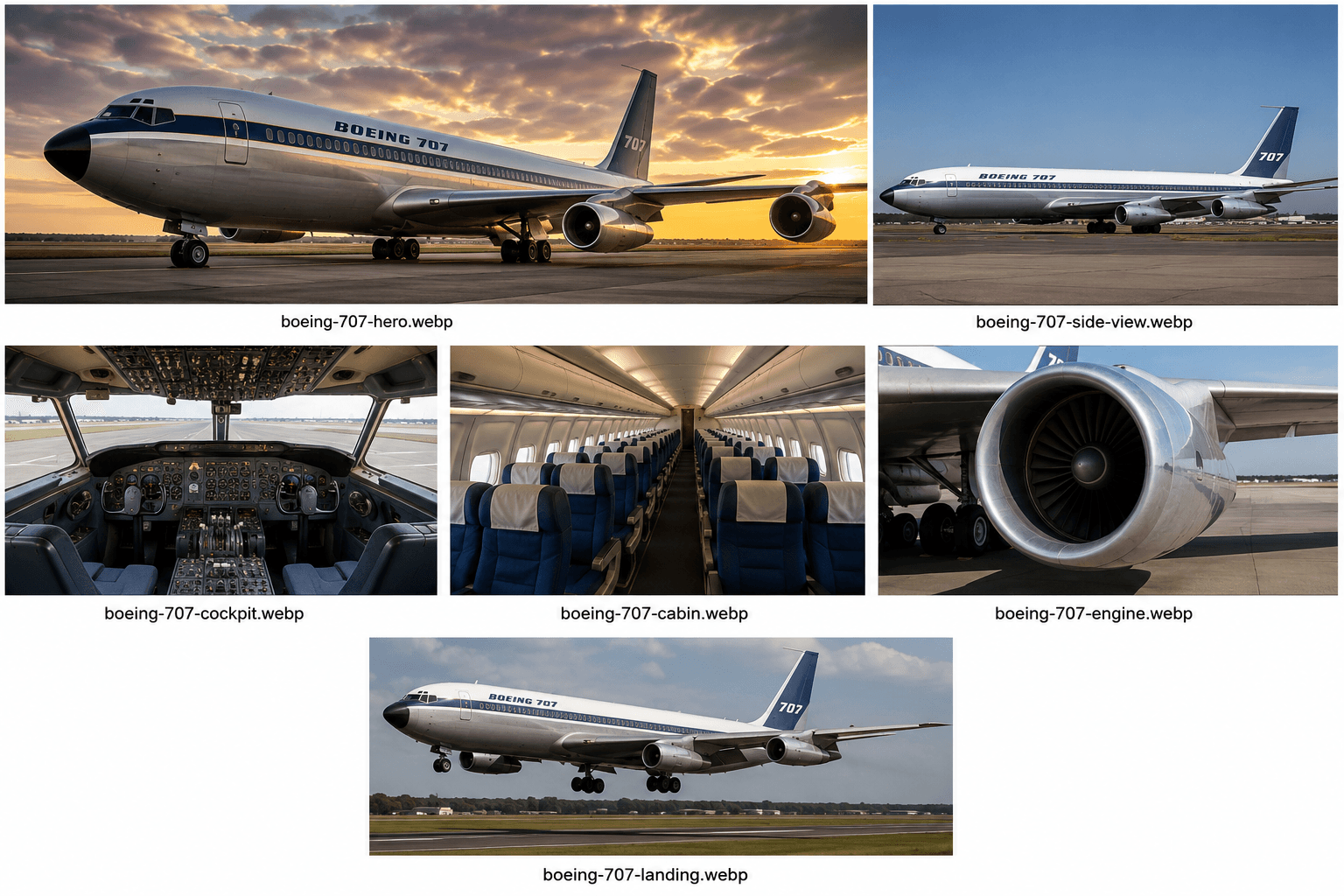
Boeing 737 Next Generation side profile highlighting its redesigned wing and blended winglets. 
Modern glass cockpit of the Boeing 737 NG featuring six LCD flight displays. 
Typical Boeing 737 NG passenger cabin configured with six-abreast seating. 
CFM International CFM56-7B turbofan engine powering the Boeing 737 Next Generation family. 
Boeing 737-800 on final approach with landing gear fully deployed.
Frequently Asked Questions
Recommended Products
Boeing 707 History Book
Comprehensive reference covering the design, development and operational history of the Boeing 707.
Buy now
Commercial Aircraft Encyclopedia
A detailed guide covering classic and modern commercial aircraft.
Buy now


As an affiliate, A2Z InfoSight may earn from qualifying purchases.
References
Keep exploring