Boeing 757 – The Long-Range Narrow-Body Airliner
Discover the Boeing 757 family, renowned for its exceptional performance, ETOPS capability, powerful engines and ability to operate both domestic and transatlantic routes.
- First flight
- 19 February 1982
- Introduced
- 1 January 1983 (Eastern Air Lines)
- Number built
- 1,050
- Range
- 7,222 km (3,900 nautical miles)

Introduction
Overview
The Boeing 757 is a medium-to-long-range narrow-body twin-engine airliner developed by Boeing as the successor to the Boeing 727. Designed to offer greater fuel efficiency, increased passenger capacity and improved range, the Boeing 757 became one of the most capable single-aisle aircraft ever produced.
Powered by either Rolls-Royce RB211 or Pratt & Whitney PW2000 engines, the Boeing 757 combines excellent short-field performance with exceptional climb capability and long-range efficiency. The aircraft became particularly popular for transcontinental and transatlantic routes under ETOPS regulations.
The Boeing 757 family includes the passenger-focused Boeing 757-200, the dedicated 757-200PF freighter, the 757-200M combi variant and the stretched Boeing 757-300.
Although production concluded in 2004, the Boeing 757 remains highly valued by airlines and cargo operators for its versatility, reliability and unique combination of capacity and range.
At a glance
- Type
- Narrow-body Twin-Engine Jet Airliner
- Role
- Medium-to-Long Range Narrow-Body Passenger and Cargo Airliner
- Programme status
- Production Ended
- Production
- 1981–2004
Primary operators
History
During the late 1970s, airlines required a modern replacement for aging Boeing 727 fleets. Boeing responded by developing the Boeing 757 alongside the wide-body Boeing 767, allowing both aircraft to share significant cockpit commonality and reducing airline training costs.
The Boeing 757 completed its maiden flight on 19 February 1982 and entered commercial service with Eastern Air Lines in January 1983. Shortly thereafter, British Airways also introduced the aircraft into European operations.
The aircraft quickly gained a reputation for outstanding performance, particularly at hot-and-high airports, short runways and long over-water routes. Its impressive power and efficiency made it one of the most versatile narrow-body aircraft ever developed.
As ETOPS regulations evolved, the Boeing 757 became a preferred aircraft for transatlantic services connecting smaller North American and European cities without requiring larger wide-body aircraft.
Development
The Boeing 757 programme emphasized improved fuel efficiency, reduced operating costs and superior performance compared with previous narrow-body aircraft.
Developed alongside the Boeing 767, the aircraft shares a common cockpit philosophy, avionics architecture and pilot type rating with the Boeing 767 family.
Throughout its production life, Boeing introduced several variants including passenger, cargo and combi models. The stretched Boeing 757-300 entered service in 1999, providing airlines with increased seating capacity while maintaining the Boeing 757's impressive performance characteristics.
Production ended in 2004 after 1,050 aircraft had been built, but the Boeing 757 continues to serve airlines and cargo operators around the world.
Milestones
Programme Timeline
First flight
19 February 1982
Entered service
1 January 1983 (Eastern Air Lines)
Production
1981–2004
Retirement
Passenger and cargo operations continue worldwide
Current status
Passenger, cargo, charter and government service
Aircraft Design
The Boeing 757 features a supercritical swept wing optimized for high-speed cruise and excellent fuel efficiency. The aircraft's aerodynamic design enables outstanding climb performance, efficient long-range operations and excellent short-field capability.
Constructed primarily from lightweight aluminium alloys with extensive use of advanced composites in secondary structures, the Boeing 757 combines structural strength with reduced operating weight.
The aircraft's long, slender fuselage accommodates six-abreast seating while providing generous cargo volume beneath the passenger deck. High-lift devices including leading-edge slats and double-slotted trailing-edge flaps contribute to its exceptional takeoff and landing performance.
Its clean aerodynamic profile and powerful engines allow the Boeing 757 to operate efficiently from airports with short runways and challenging environmental conditions.
Cockpit
The Boeing 757 cockpit was one of the most advanced digital flight decks of its era and shares a common type rating with the Boeing 767, allowing pilots to transition between the two aircraft with minimal additional training.
Typical cockpit equipment includes:
- Six CRT/LCD Flight Displays
- Dual Flight Management Computers
- Electronic Flight Instrument System (EFIS)
- Engine Indication and Crew Alerting System (EICAS)
- Digital Autopilot
- Flight Director
- Weather Radar
- TCAS II
- Enhanced GPWS
- GPS Navigation
- Satellite Communications (operator dependent)
The ergonomic cockpit layout significantly reduced pilot workload while enhancing situational awareness during long-haul operations.
Cabin
The Boeing 757 cabin accommodates between approximately 178 and 239 passengers depending on the aircraft variant and airline configuration.
Cabin features include:
- Six-abreast seating (3-3)
- Spacious overhead storage bins
- Pressurized and air-conditioned cabin
- Multiple seating classes
- Forward and aft galleys
- Passenger entertainment systems (operator dependent)
- Modern LED lighting on refurbished aircraft
The stretched Boeing 757-300 provides one of the highest passenger capacities of any narrow-body aircraft while maintaining passenger comfort on medium-haul routes.
Engines
The Boeing 757 is powered by two high-thrust turbofan engines supplied by either Rolls-Royce or Pratt & Whitney.
Available engines include:
- Rolls-Royce RB211-535E4
- Pratt & Whitney PW2037
- Pratt & Whitney PW2040
- Pratt & Whitney PW2043
These engines deliver between approximately 37,000 and 43,000 pounds of thrust, providing outstanding climb performance, excellent reliability and exceptional hot-and-high airport capability.
The combination of high thrust and efficient aerodynamics gives the Boeing 757 one of the best thrust-to-weight ratios among commercial narrow-body aircraft.
Flight Controls
The Boeing 757 employs conventional mechanically actuated flight controls with hydraulic power assistance through three independent hydraulic systems.
Primary controls include:
- Ailerons
- Elevators
- Rudder
Secondary controls include:
- Leading-edge slats
- Double-slotted flaps
- Flight spoilers
- Ground spoilers
- Speed brakes
- Elevator trim
- Rudder trim
These systems provide excellent handling characteristics while maintaining the precise control feel for which the Boeing 757 is well known.
Avionics
The Boeing 757 introduced one of Boeing's first fully integrated digital avionics suites, sharing many systems with the Boeing 767.
Typical avionics include:
- EFIS
- EICAS
- Flight Management System
- Weather Radar
- TCAS II
- Enhanced GPWS
- GPS Navigation
- VHF Communications
- HF Communications
- Satellite Communications
- Cockpit Voice Recorder
- Flight Data Recorder
Many aircraft have since been upgraded with ADS-B, modern navigation systems and enhanced flight management capabilities.
Landing Gear
The Boeing 757 employs a hydraulically operated retractable tricycle landing gear consisting of a twin-wheel nose gear and dual-wheel main landing gear assemblies.
Designed for intensive airline operations, the landing gear supports high maximum takeoff weights while enabling reliable operation from a wide variety of airport environments.
Performance
The Boeing 757 offers exceptional performance compared with other narrow-body aircraft.
Typical performance includes:
- Cruise Speed: Mach 0.80
- Maximum Speed: Mach 0.86
- Service Ceiling: 42,000 ft
- Range: Up to approximately 7,220 km depending on variant
The aircraft's powerful engines, excellent climb performance and ETOPS capability make it particularly suitable for long over-water routes.
Maintenance
The Boeing 757 was designed for efficient airline maintenance with modular systems, comprehensive onboard diagnostics and excellent accessibility to major components.
Routine maintenance includes scheduled A, C and heavy maintenance checks, engine inspections, landing gear overhauls, structural inspections and avionics diagnostics.
Its proven reliability and strong worldwide support network have enabled many Boeing 757 aircraft to remain economically viable for decades.
Safety
The Boeing 757 incorporates multiple redundant flight-critical systems including three hydraulic systems, dual electrical systems, advanced fire detection and suppression, TCAS II, Enhanced GPWS, weather radar, emergency oxygen systems and comprehensive flight data recording.
The aircraft has earned an outstanding safety record throughout more than four decades of commercial service and remains one of the most respected narrow-body aircraft ever produced.
Reference
Technical Specifications
Full dimensional, weight, powerplant and performance data.
Crew & capacity
- Crew
- 2 (Captain and First Officer) + Cabin Crew
- Passengers
- 178–239 passengers depending on airline configuration
Dimensions
- Length
- 47.32 m (155 ft 3 in)
- Wingspan
- 38.05 m (124 ft 10 in)
- Height
- 13.56 m (44 ft 6 in)
- Fuselage width
- 3.76 m (12 ft 4 in)
- Cabin width
- 3.54 m (11 ft 7 in)
- Wheelbase
- 18.85 m (61 ft 10 in)
Weights
- Empty weight
- Approximately 59,540 kg (131,260 lb)
- Operating weight
- Approximately 63,300 kg (139,600 lb)
- Max takeoff weight
- 115,680 kg (255,000 lb)
- Max landing weight
- 99,790 kg (220,000 lb)
- Max payload
- Approximately 29,480 kg (65,000 lb)
- Fuel capacity
- 43,490 L (11,489 US gal)
Powerplant
- Engines
- 2 × High-Bypass Turbofan Engines
- Engine manufacturer
- Rolls-Royce or Pratt & Whitney
- Engine model
- RB211-535E4 / PW2037 / PW2040 / PW2043
- Thrust
- 37,000–43,000 lbf (165–191 kN) each
Performance
- Maximum speed
- 913 km/h (Mach 0.86)
- Cruise speed
- 850 km/h (Mach 0.80)
- Stall speed
- Approximately 204 km/h (110 knots)
- Range
- 7,222 km (3,900 nautical miles)
- Service ceiling
- 42,000 ft (12,800 m)
- Rate of climb
- Approximately 2,500 ft/min (762 m/min)
- Takeoff distance
- Approximately 2,600 m (8,530 ft)
- Landing distance
- Approximately 1,700 m (5,580 ft)
Fuel & operating limits
- Fuel consumption
- Approximately 5,200–5,800 L/hour depending on payload and flight profile
- Endurance
- Up to 9 hours
- Maximum altitude
- 42,000 ft
- Max operating Mach
- Mach 0.86
- Runway requirement
- Typically 2,300–2,800 m depending on aircraft weight and environmental conditions
Programme
- First flight
- 19 February 1982
- Introduction
- 1 January 1983 (Eastern Air Lines)
- Production years
- 1981–2004
- Number built
- 1,050
- Unit cost
- Approximately US$100 million (757-200 list price)
Variants
Boeing 757-200
The baseline and most successful member of the Boeing 757 family, offering excellent range, ETOPS capability and operational flexibility.
Boeing 757-200PF
Dedicated Package Freighter developed for cargo operators, featuring a reinforced cargo floor and large main-deck cargo door.
Boeing 757-200M
Combi variant capable of carrying both passengers and cargo on the main deck through a configurable cabin layout.
Boeing 757-300
A stretched version offering increased passenger capacity while retaining the Boeing 757's impressive range and performance.
Boeing C-32
Military VIP transport based on the Boeing 757-200, operated by the United States Air Force for government and executive transport missions.
Major Operators
- Delta Air Lines
- United Airlines
- American Airlines
- FedEx Express
- UPS Airlines
- Icelandair
- DHL Aviation
- British Airways
- Condor
- TUI Airways
- Azerbaijan Airlines
- Royal Nepal Airlines
- Eastern Air Lines
- Northwest Airlines
- US Airways
Advantages & Limitations
Advantages
- Outstanding thrust-to-weight ratio.
- Exceptional short-field performance.
- Excellent hot-and-high airport capability.
- Long ETOPS-certified range for transatlantic operations.
- Highly reliable Rolls-Royce and Pratt & Whitney engine options.
- Excellent dispatch reliability.
- Common cockpit type rating with the Boeing 767.
- Large cargo volume for a narrow-body aircraft.
- Excellent climb performance.
- Versatile passenger, cargo and government aircraft platform.
Limitations
- Higher fuel consumption than modern narrow-body aircraft.
- Production ended in 2004.
- Older avionics compared with Boeing 737 MAX and Airbus A321neo.
- Increasing maintenance costs due to aging fleets.
- Limited spare airframes for fleet expansion.
- Higher operating costs than newer twin-engine aircraft.
- Cabin cross-section narrower than modern wide-body aircraft.
- Noise levels higher than latest-generation aircraft.
- Passenger capacity lower than wide-body alternatives.
- No direct Boeing replacement currently exists.
Interesting Facts
- The Boeing 757 shares a common pilot type rating with the Boeing 767.
- It is regarded as one of the best-performing commercial aircraft ever built.
- The Boeing 757 can operate from short runways while carrying full payloads.
- Many airlines used the aircraft on transatlantic ETOPS routes.
- The Boeing C-32 military transport is based on the Boeing 757.
- The aircraft is popular among cargo operators because of its payload capability.
- The Boeing 757-300 is the longest narrow-body aircraft Boeing has produced.
- Rolls-Royce RB211-powered Boeing 757s are renowned for their climb performance.
- The aircraft remains highly valued despite production ending in 2004.
- Numerous Boeing 757 aircraft have been converted into dedicated freighters.
- Its powerful engines allow steep departures from challenging airports.
- The Boeing 757 served airlines on every inhabited continent.
- The aircraft has accumulated millions of flight hours worldwide.
- The Boeing 757 helped pioneer long-range narrow-body operations.
- Many aviation enthusiasts consider the Boeing 757 one of Boeing's finest aircraft designs.
Comparison
Versus the Airbus A321
- The Boeing 757 offers superior takeoff performance and climb capability.
- The Airbus A321 typically provides lower fuel consumption on shorter routes.
- The Boeing 757 supports longer ETOPS routes than early A321 variants.
- The Airbus A321neo offers newer engine technology.
- The Boeing 757 uses higher-thrust engines, making it ideal for hot-and-high airports.
- The Boeing 757 was developed alongside the Boeing 767 and shares a common cockpit philosophy.
- The Airbus A321 incorporates full fly-by-wire flight controls.
- Both aircraft are widely used on medium-haul and transcontinental routes.
Interactive
Explore the Aircraft
Hover or tap a marker to identify each major part of the aircraft.
Select a marker to learn about each part of the aircraft.
Gallery

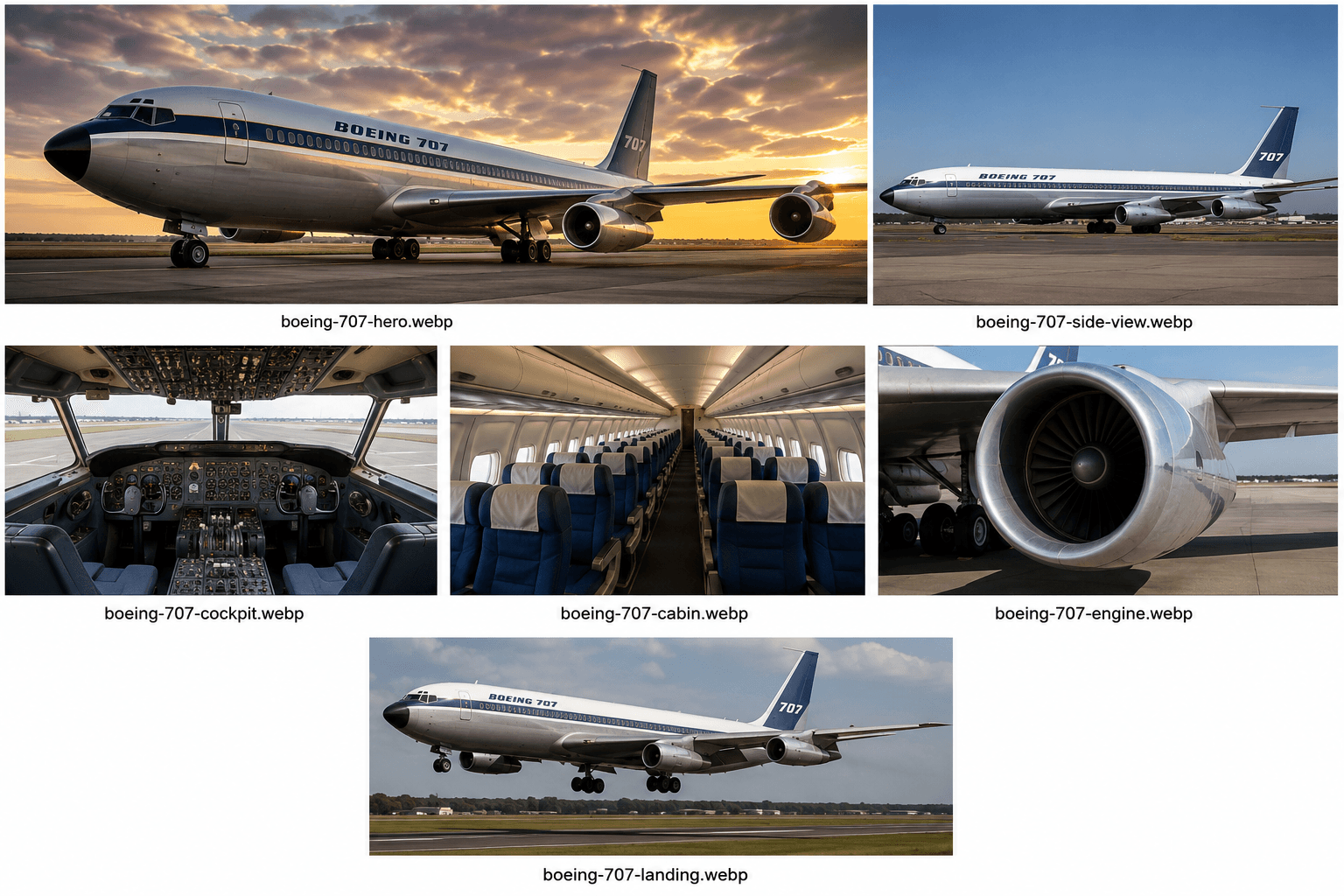
Side profile of the Boeing 757 showcasing its long fuselage, swept wing and twin-engine configuration. 
Modern Boeing 757 flight deck featuring EFIS displays and a cockpit common type rating with the Boeing 767. 
Typical Boeing 757 passenger cabin with six-abreast seating and multiple class configurations. 
Rolls-Royce RB211 high-bypass turbofan engine installed on a Boeing 757. 
Boeing 757 during landing with landing gear fully deployed.
Frequently Asked Questions
Recommended Products
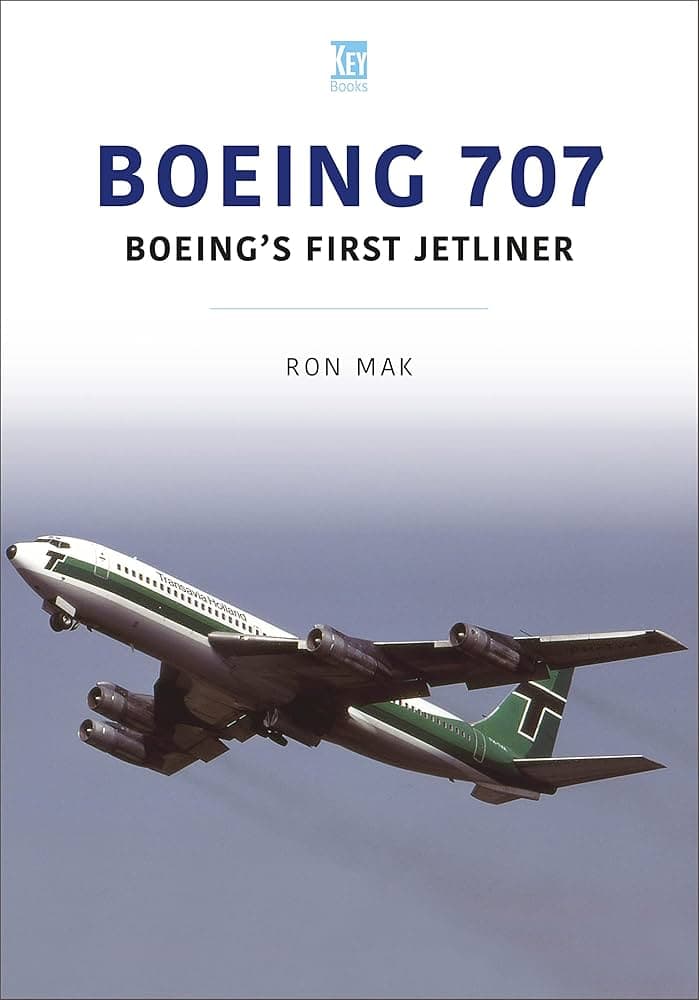
Boeing 707 History Book
Comprehensive reference covering the design, development and operational history of the Boeing 707.
Buy now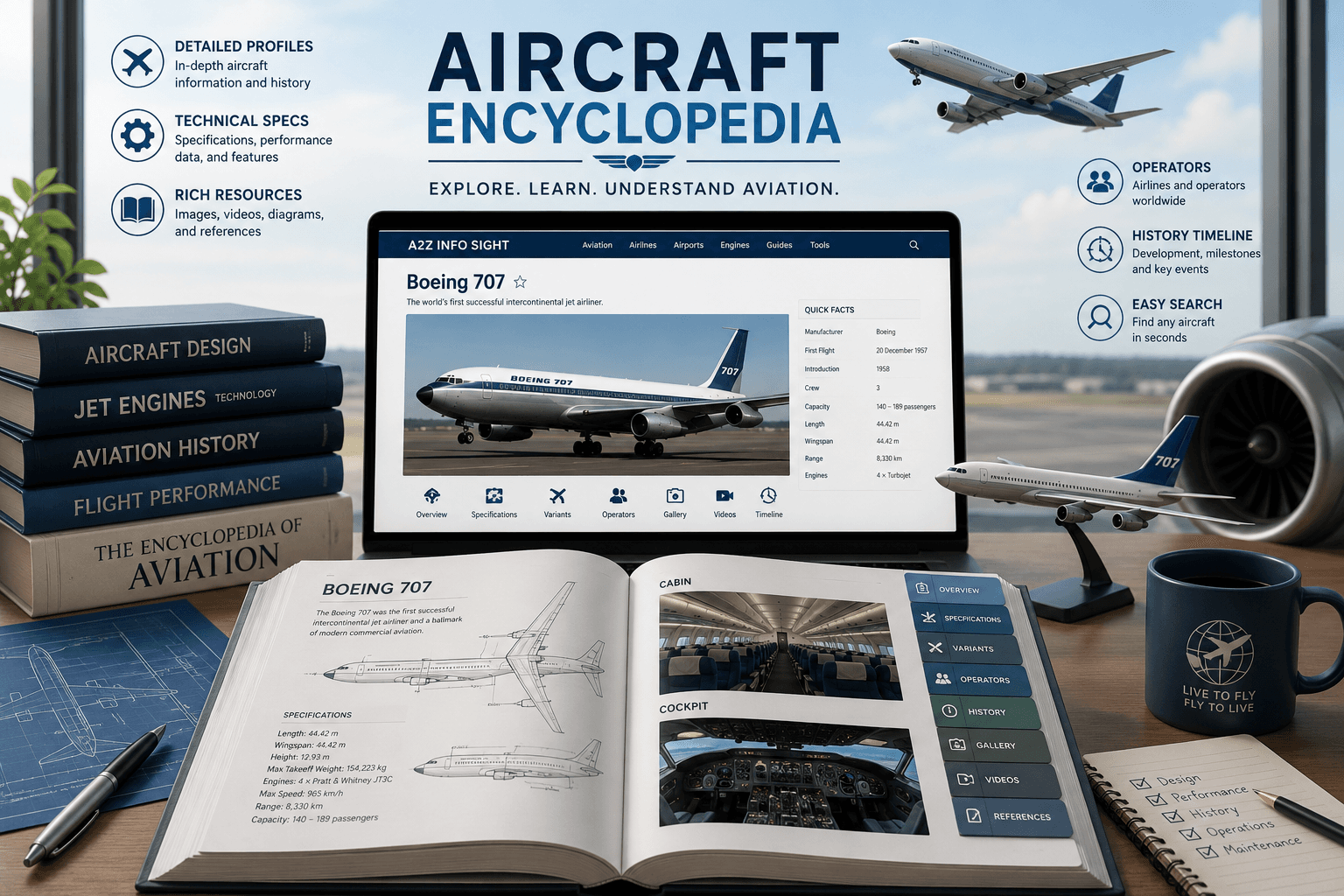
Commercial Aircraft Encyclopedia
A detailed guide covering classic and modern commercial aircraft.
Buy now


As an affiliate, A2Z InfoSight may earn from qualifying purchases.
References
Keep exploring


